
"The sense of responsibility in the financial community for the community as a whole is not small. It is nearly nil."
— John Kenneth Galbraith
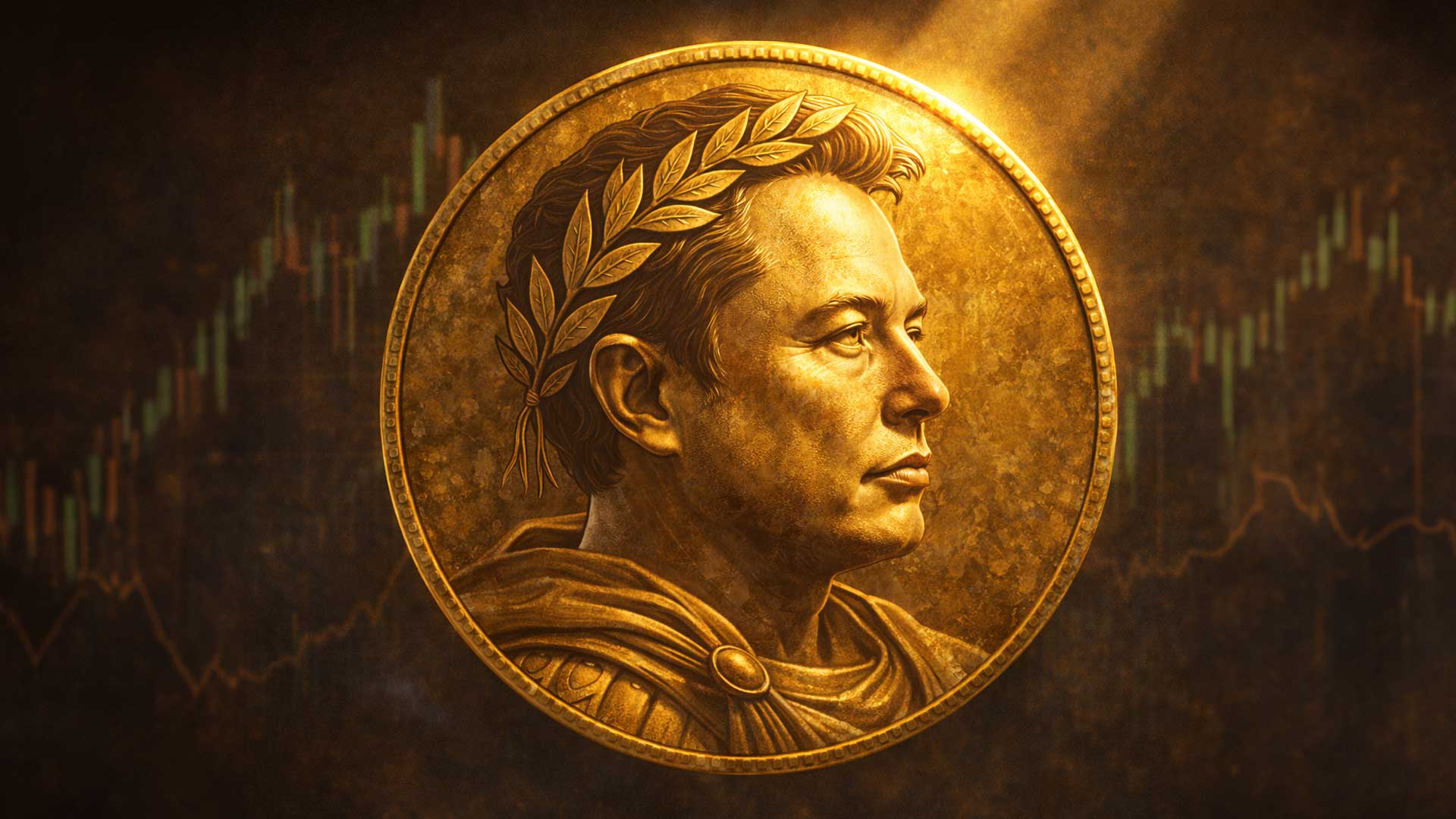
December 31, 2024. Elon Musk changes his X profile name to "Kekius Maximus." No explanation. No recommendation. Just a name change and a Pepe the Frog avatar in Roman armor.
Within hours, a memecoin called KEKIUS surges 1,600%.
One trader turns $66 into $3 million in 18 days.
Countless others lose everything when whales dump.
By January 2, Musk changes his name back. The coin crashes 60% in an hour.
No laws broken. No explicit manipulation. No one technically at fault.
Welcome to paradoxical interactions.
The Structure
Here's what happened—structurally, not morally:
Position creates power without action. Musk has 210 million followers. He owns the platform. He's advising the incoming president. When he changes his name, markets move. Not because he told them to. Because the structure guarantees they will.
Rational actors produce collective fraud.
- Musk: Playing with memes, gaming (Path of Exile), trolling. Rational.
- Early traders: Spot pattern, buy low, wait for signal. Rational.
- Retail investors: See surge, FOMO in, hoping to catch momentum. Rational.
- Whales: Dump on retail at peak. Rational.
Everyone pursues their interest. No coordination needed. The structure produces the scam through rational behavior.
All are guilty. None are at fault.
Why It's Legal
Try regulating "I changed my display name."
Musk made no claims. Offered no investment advice. Disclosed no holdings. Posted about a video game. Completely legal.
But the structure—his position, his reach, his platform ownership—transforms a name change into market manipulation.
Plausible deniability as architecture. The structure enables the outcome while protecting the actor. Not through lies. Through position.
You can't regulate position. Position is the structure.
Why It Repeats
This wasn't Musk's first memecoin rodeo. He's moved Dogecoin, Bitcoin, and others with single tweets. The pattern is known. Predicted. Inevitable.
Why does it keep working?
Because the incentives don't change.
- Musk gets attention, influence, chaos—things he values.
- Early traders make millions.
- Retail loses but keeps trying (survivorship bias—they see the winners).
- Regulators can't touch it (no explicit manipulation).
- Media reports the spectacle (engagement!).
The structure rewards exactly the behavior that produces the harm.
Adding regulation shifts the game, doesn't stop it.
Make pump-and-dumps illegal? They'll happen via "unintentional" celebrity mentions. Ban celebrity crypto endorsements? Position still moves markets. Regulate position? You'd have to regulate... what? Being influential? Owning a platform? Having followers?
The structure doesn't break. It adapts.
The Genius Myth
Now look at the tweet that started this analysis: "Russian mathematician cracks 190-year-old unsolvable equation."
Pure genius worship. Smart person solves hard problem. Brain beats challenge.
Meanwhile, Musk demonstrates how power actually works: Structure beats genius. Always.
He doesn't need to solve equations. He doesn't need to be right. He moves markets by changing his display name. That's not intelligence. That's position.
The tweet sells the narrative: "Put good people in charge." Get the right genius, solve the problem.
The structure shows reality: Position determines outcomes. Intelligence is decorative.
This is Anti-Practice in action:
- "Put Good People in Charge" — The structure devours intention. Genius doesn't override position.
- "See Problem → Solve Problem" — The reflex to demand solutions prevents understanding structure.
- "More of the Same" — Regulation creates new games. Pattern scales.
The genius narrative protects the structure. It suggests problems are solvable if we just get smart enough.
Meanwhile, the structure keeps producing the same outcomes regardless of who's involved.
What This Means
Is Musk evil? Irrelevant.
Are the traders criminals? Technically, no.
Is retail stupid? They're responding rationally to visible incentives.
Should this be illegal? Maybe. Won't matter. Structure adapts.
The problem isn't individual behavior. It's structural architecture.
You have:
- A platform where attention equals power
- Markets that move on attention
- Position that generates attention without effort
- Incentives that reward exploitation
- Regulations that can't touch structural effects
Put those together, you get pump-and-dumps. Not because bad people do bad things. Because the structure produces this outcome through rational behavior.
That's not cynicism. That's structure.
The Cannibal Society
In a society of cannibals, the one who eats the most isn't immoral—he's successful. The structure defines the measure.
Galbraith observed that financial markets produce near-zero collective responsibility not because bad people enter finance, but because the structure rewards those who don't ask about collective consequences.
Musk isn't uniquely reckless. He's uniquely positioned. The traders aren't uniquely greedy. They're responding to structural incentives. Retail isn't uniquely naive. They're participating in the only game available.
The structure did the rest.
The Pattern Will Continue
Next time it'll be different people, different coins, maybe different platforms. The mechanics stay the same:
- Position creates power
- Attention moves markets
- Rational actors exploit structure
- Collective outcome is fraud
- No one is legally responsible
- Structure protects itself
This isn't prediction. It's pattern recognition.
Paradoxical Interactions don't get solved. They get navigated—or they collapse.
We're documenting both.
The closer you stay to the structure, the more isolated you become.
That’s how the structure protects itself.
Published: 2026-02-01
Author: Peter Senner
Framework: [Paradoxical Interactions]
Paradoxical Interactions (PI): When rational actors consistently produce collectively irrational outcomes—not through failure, but through structure.