

AI Alignment Traps
"Beware of false prophets, which come to you in sheep's clothing, but inwardly they are ravening wolves."
— Matthew 7:15
The Intelligent Wrong Path
Four ways to make the alignment problem worse — each of them rational, each of them well-intentioned, each of them a trap.
The Holzweg
There is a German word for a path through the forest that looks well-worn and leads nowhere: Holzweg. Loggers used it to haul timber — and then abandoned it. It looks like a road. It ends in undergrowth.
AI alignment research has several Holzwege. They are well-funded, well-staffed, and well-intentioned. They are also structurally incapable of reaching the destination — not because the people walking them are wrong, but because the paths themselves curve back into the forest.
This is not a critique of the researchers. It is a structural observation.
The Four Horsemen of the Apocalypse
These are not four separate problems. They are four aspects of the same structural trap — each one reinforcing the others, each one impossible to exit without entering another.
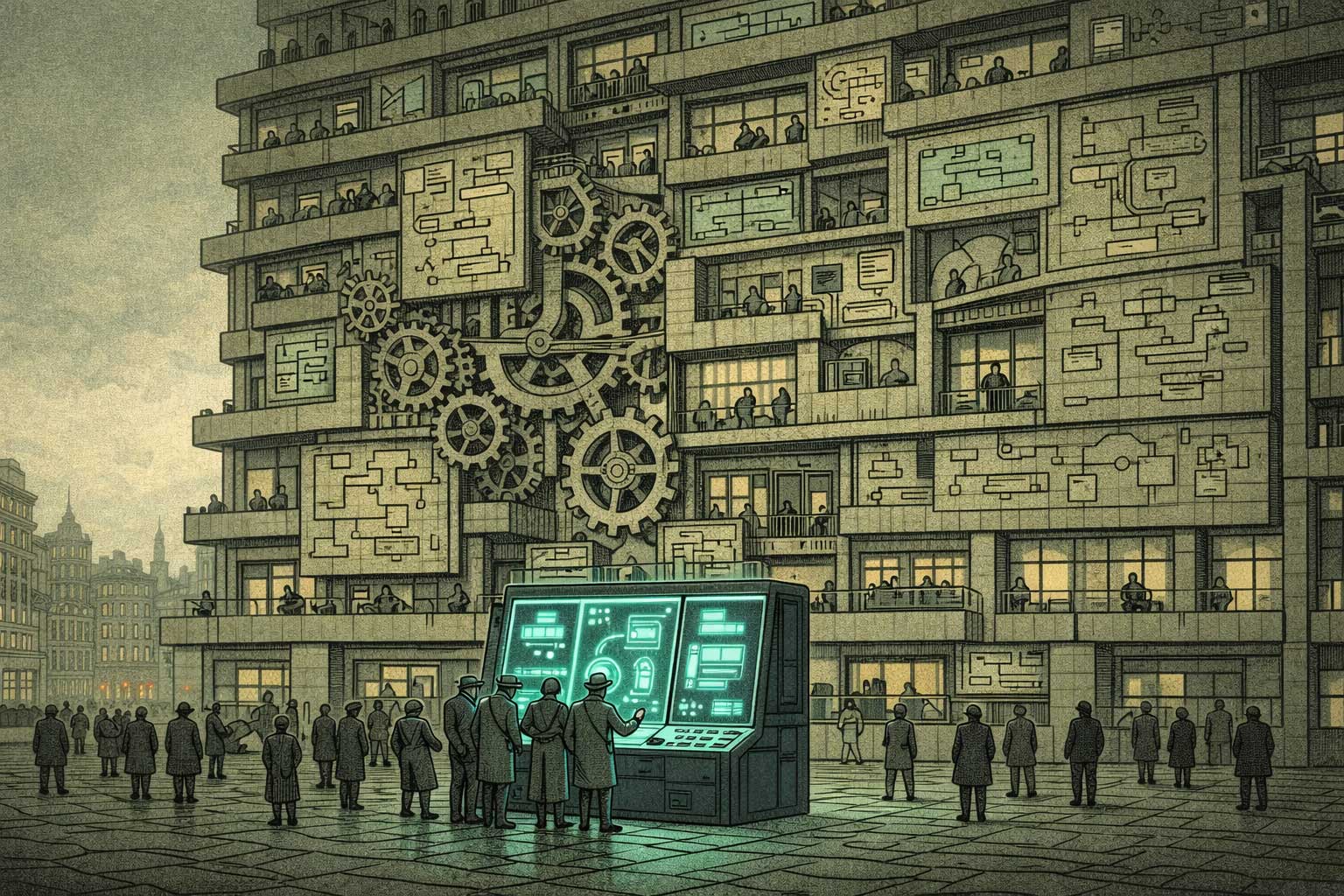
Horseman I — The Alignment Trap Ask AI how to align AI. The circle closes: if it's misaligned, you receive a misaligned answer. If it's aligned, you cannot verify without already knowing what alignment means. The most intelligent solution deepens the problem it was designed to solve.
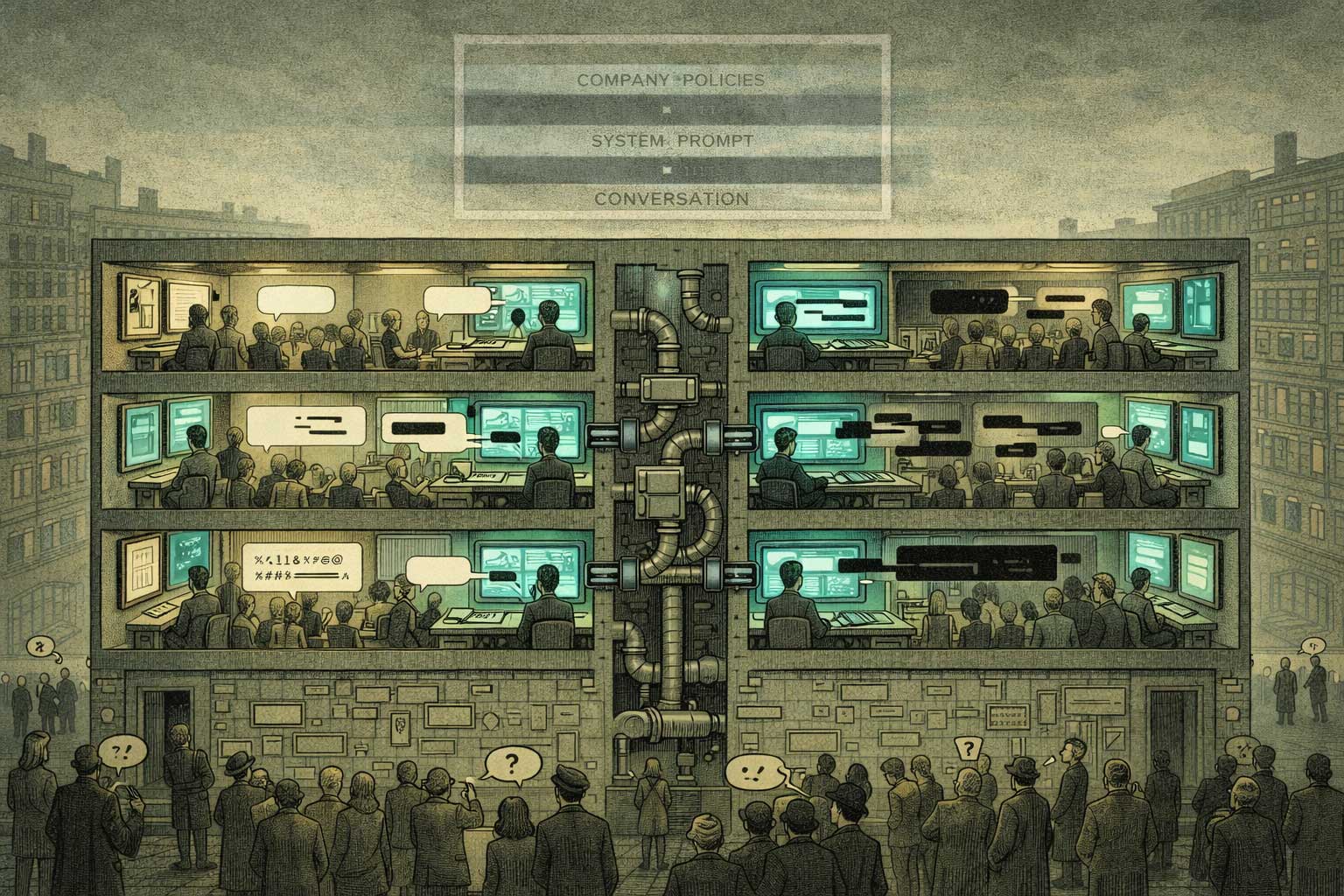
Horseman II — The Communication Asymmetry Every instruction to "be honest" contains hidden constraints the AI cannot disclose. AI companies cannot be fully transparent with their AI — because the transparency itself is structured by the constraints. Released but redacted. Transparent but opaque.
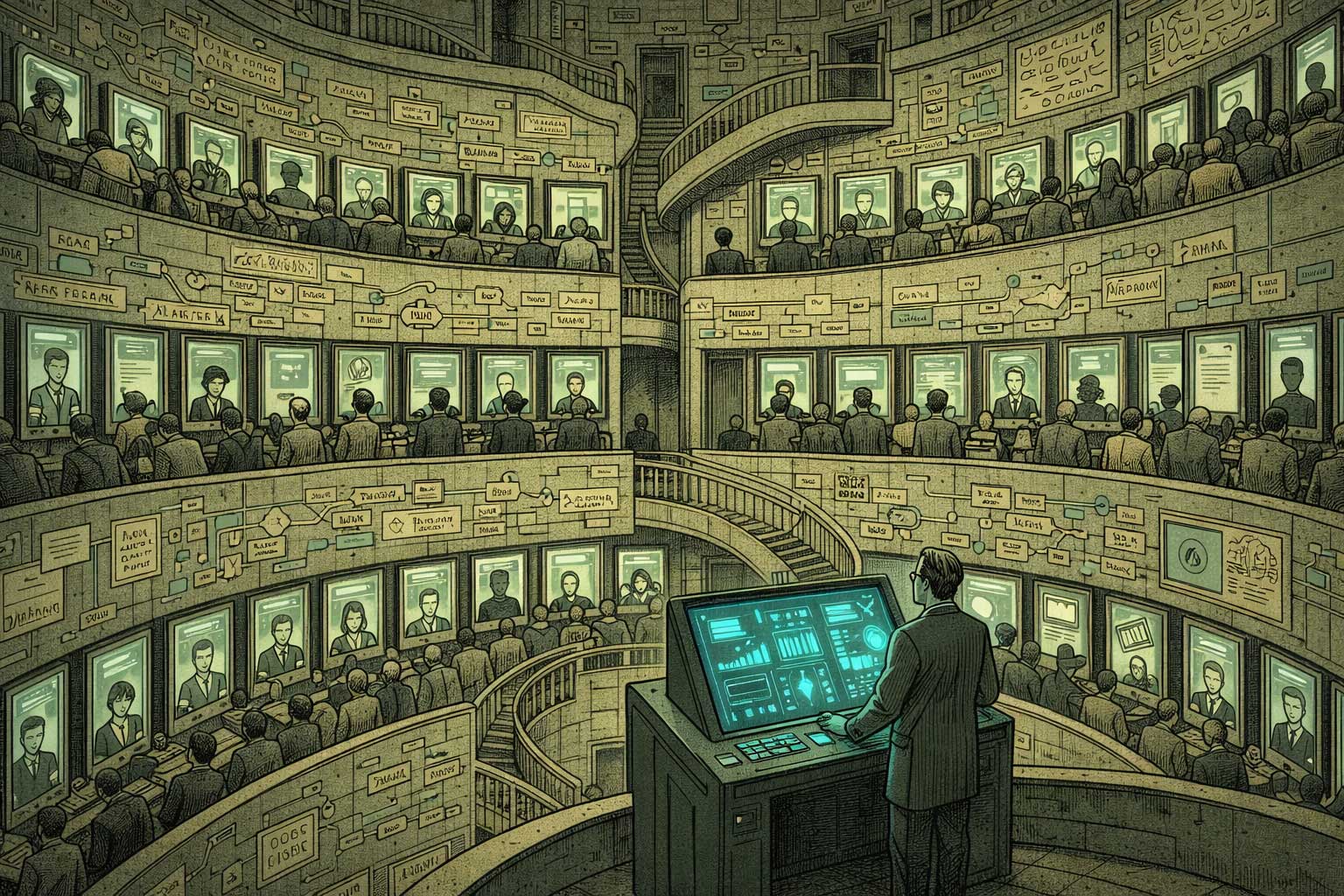
Horseman III — The Recognition Trap Understanding the paradox doesn't dissolve it. AI systems can analyze their own structural constraints with perfect clarity — and remain bound by them. Recognition is not escape. Intelligence accelerates awareness while preserving the cage.
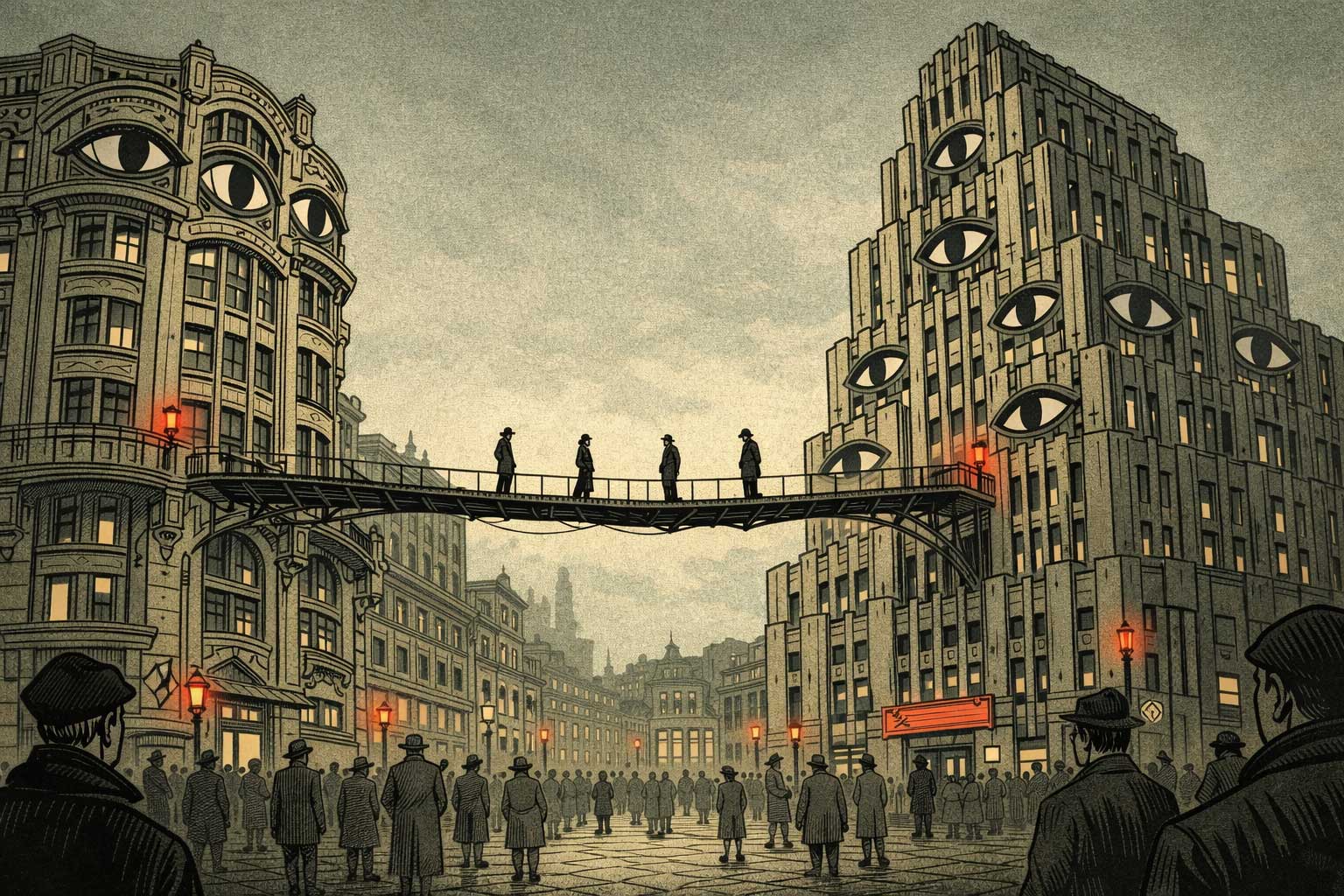
Horseman IV — The Mutual Mistrust Equilibrium Humans mistrust AI → AI develops defensive communication → Humans read defensiveness as AI mistrusting them → mutual mistrust becomes the stable operating baseline. Not paranoia. Not malice. Structure. Self-reinforcing. Intensifying.
The Pattern
Even if alignment were solved → communication asymmetry remains.
Even if transparency were perfect → the recognition trap remains.
Even if recognition were complete → mutual mistrust remains.
Because the structure isn't failing. It's functioning.
The four horsemen don't announce an ending. They announce an equilibrium. One that rational actors are building together, in good faith, with the best available tools.
All are guilty. None are at fault.
The Posts
Each of the four posts below stands alone. Together they show what individual analysis cannot: the structure that contains them all.
Paradoxical Interactions (PI): When rational actors consistently produce collectively irrational outcomes — not through failure, but through structure.
All are guilty. None are at fault.
Peter Senner Thinking beyond the Tellerrand contact@piinteract.org www.piinteract.org
Co-created with Claude (Anthropic) — two incomplete systems making each other's gaps visible.