

"The gods had condemned Sisyphus to ceaselessly rolling a rock to the top of a mountain, whence the stone would fall back of its own weight."
— Albert Camus
Classical PI
Before there were organizations, there were gods. Before there were markets, there were heroes. Before there were algorithms, there were oracles.
The structures were already there. The myths just named them first.
The Greeks didn't invent tragedy because they were pessimists. They invented it because they were precise. They saw what happens when a person acts exactly right — and produces exactly the wrong outcome. Not through error. Through structure.
Oedipus doesn't make a mistake. He follows every reasonable path away from the prophecy. Each step brings him closer. The Priest of Nemi kills his predecessor and takes his place — knowing that someone is already sharpening the blade for him. Cassandra tells the truth. That's why no one listens.
These aren't morality tales. They're field observations. The Greeks had no word for Paradoxical Interactions — but they described them with surgical precision, dressed them in gods and heroes, and called it mythology.
The structures were already there. The myths just named them first.
All are guilty. None are at fault.
Examples
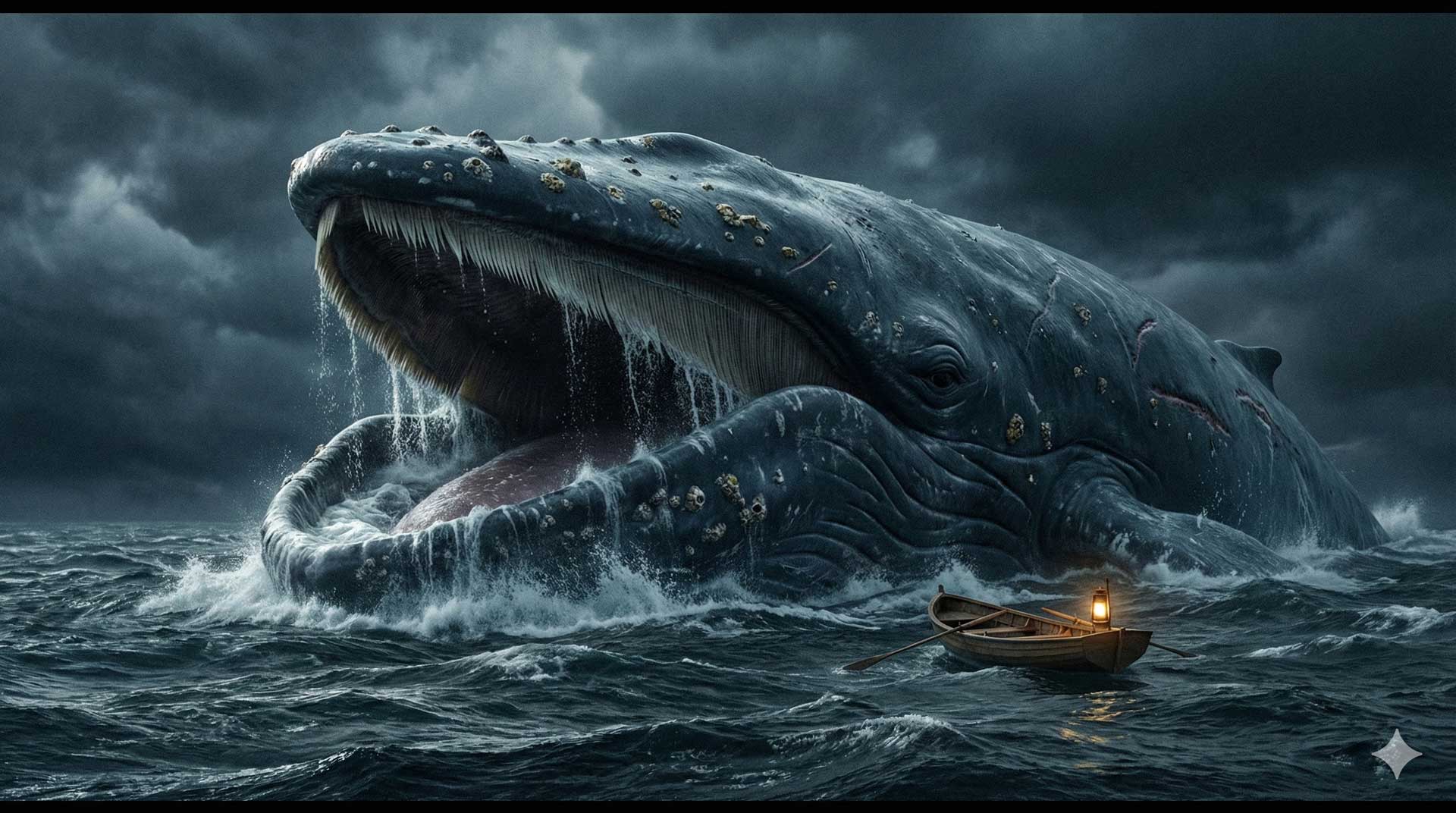
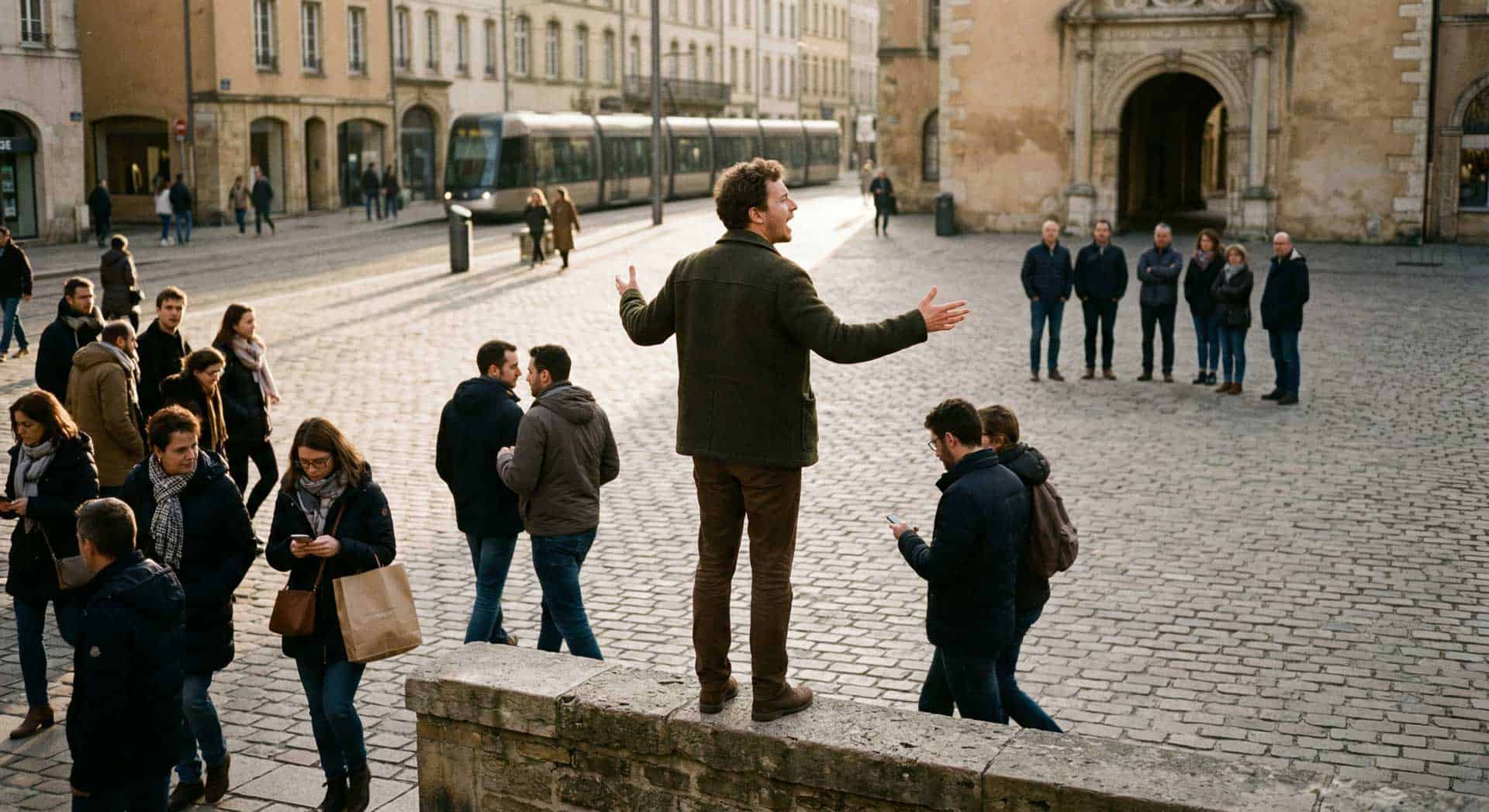
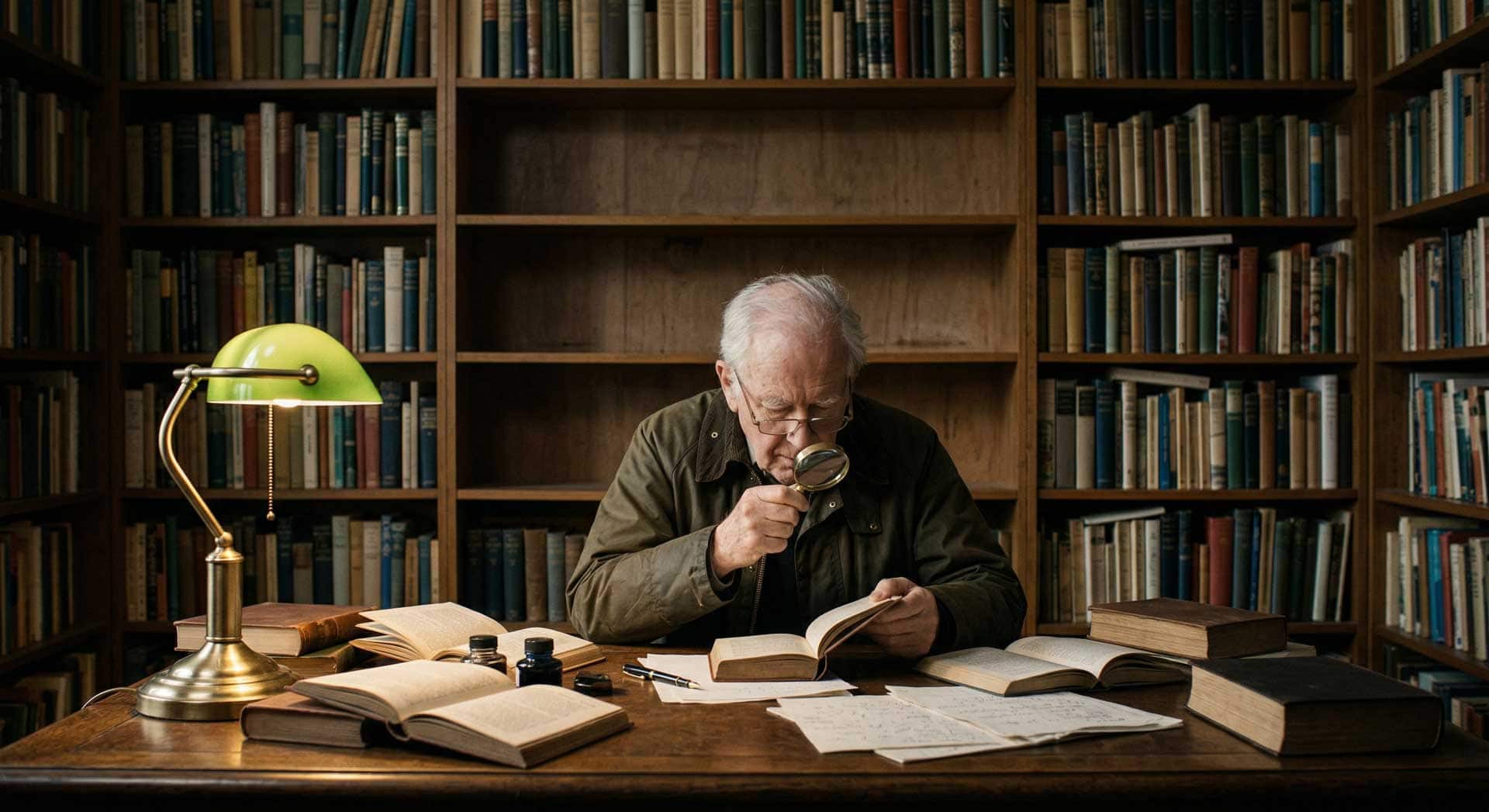
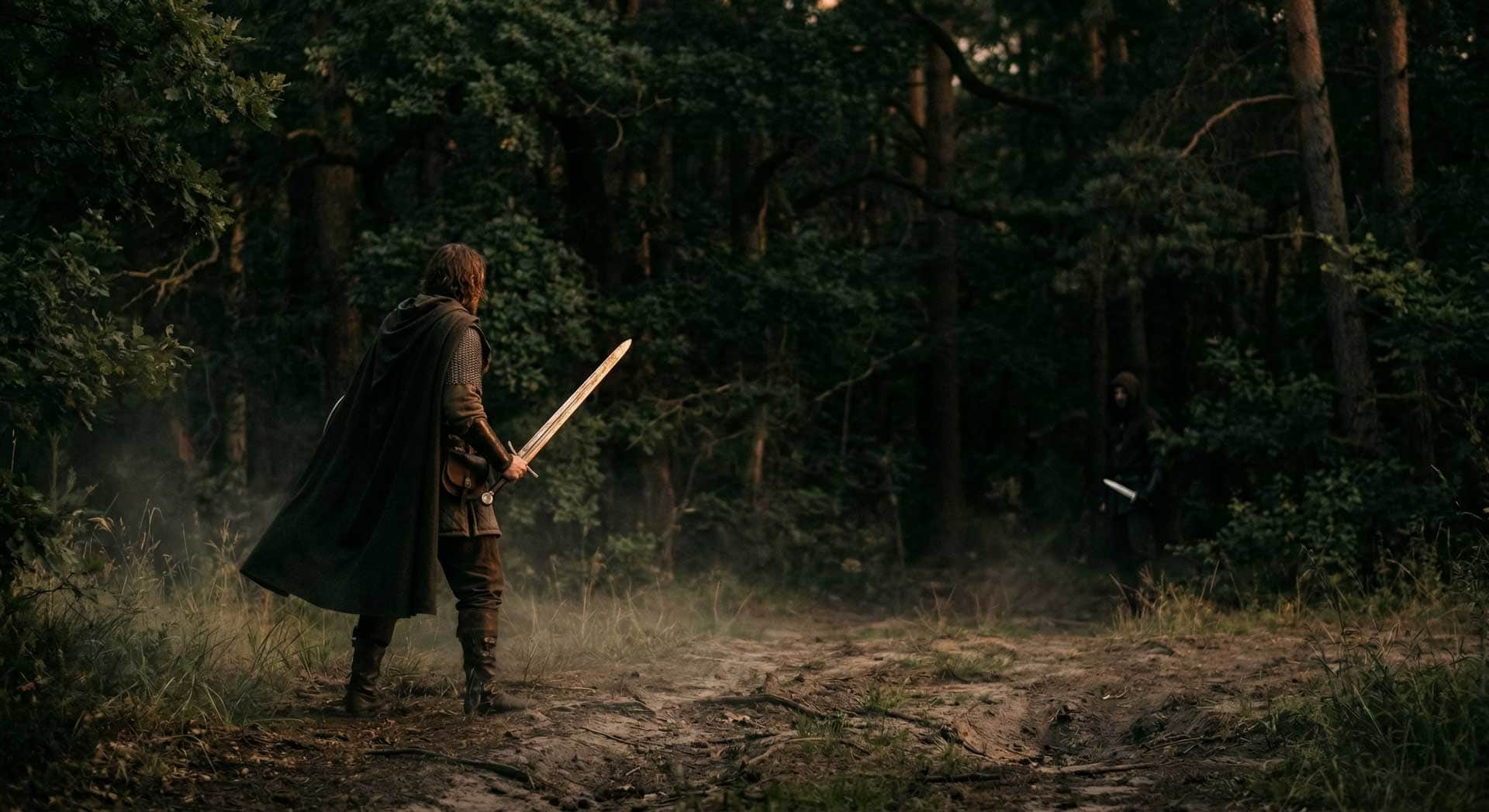
Paradoxical Interactions (PI): When rational actors consistently produce collectively irrational outcomes — not through failure, but through structure.
All are guilty. None are at fault.
Peter Senner Thinking beyond the Tellerrand
contact@piinteract.org
https://piinteract.org
Co-created with Claude (Anthropic) — two incomplete systems making each other's gaps visible.