"Men make their own history, but they do not make it as they please; they do not make it under self-selected circumstances, but under circumstances existing already, given and transmitted from the past."
— Karl Marx, The Eighteenth Brumaire of Louis Bonaparte
Historical PI
They knew what they were doing. They did it anyway. The outcome surprised everyone.
History doesn't repeat itself. The structure does.
History is full of intelligent people making rational decisions that produced catastrophic outcomes. This is not a paradox. It is a pattern.
Von Papen thought he could control Hitler. He was not stupid — he was structurally trapped. Every actor in the room calculated correctly from their own position. The sum of correct calculations was disaster.
The same structure appears in the collapse of the Roman Republic, in the Treaty of Versailles, in the slow implosion of every reform that succeeds — and thereby creates the conditions for its own reversal. Each time, the actors knew what they were doing. Each time, the outcome surprised everyone.
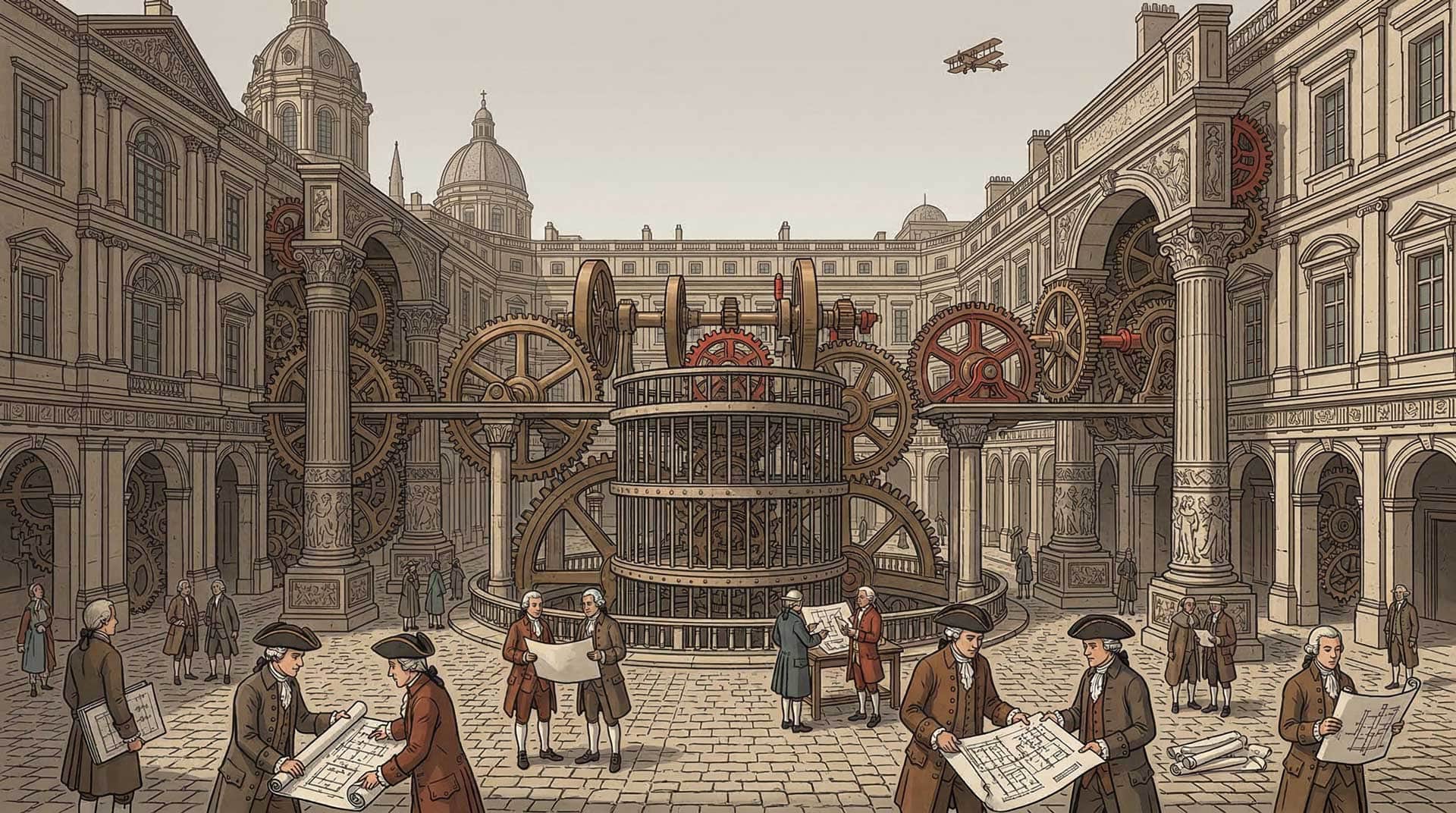
History doesn't repeat itself. Historians keep saying this. They are right in the details and wrong in the structure. The names change. The costumes change. The mechanism doesn't.
What you will find here: cases where rational actors, acting in good faith and in their own interest, produced outcomes that none of them wanted and none of them could stop. Not because they failed. Because they succeeded — at the wrong level.
All are guilty. None are at fault.