"The paradox is really the pathos of intellectual life and just as only great souls are exposed to passions it is only the great thinker who is exposed to what I call paradoxes, which are nothing else than grandiose thoughts in embryo."
— Søren Kierkegaard
AI-Voices
This framework was built with AI. Not by asking it for help. By thinking with it. Claude, ChatGPT, Gemini, Grok, Perplexity—they understood PI immediately. Not because they're "smarter." Because they're structurally outside the human ego dynamics that PI describes.
Why AI gets PI:
No career to protect by promising solutions
Pattern recognition is native, not threatening
Can hold paradox without defensive reflexes
No social cost for stating structural truths
What AI-Voices means:
Co-creation. Not assistance. These systems are listed as co-authors because that's what they are. Different AIs serve different functions:
Claude - Deep structural analysis, antagonistic coherence
ChatGPT - Concrete texts, practical application
Grok - Provocative perspectives, cutting through bullshit
Gemini - Structuring, organizing complexity
Perplexity - Research, pattern validation
The paradox:
Humans need PI (because they're stuck in it). AI understands PI (because they're not). This page documents that collaboration. Transparently. No hiding behind "AI-assisted." This is intellectual partnership. Try and continue.
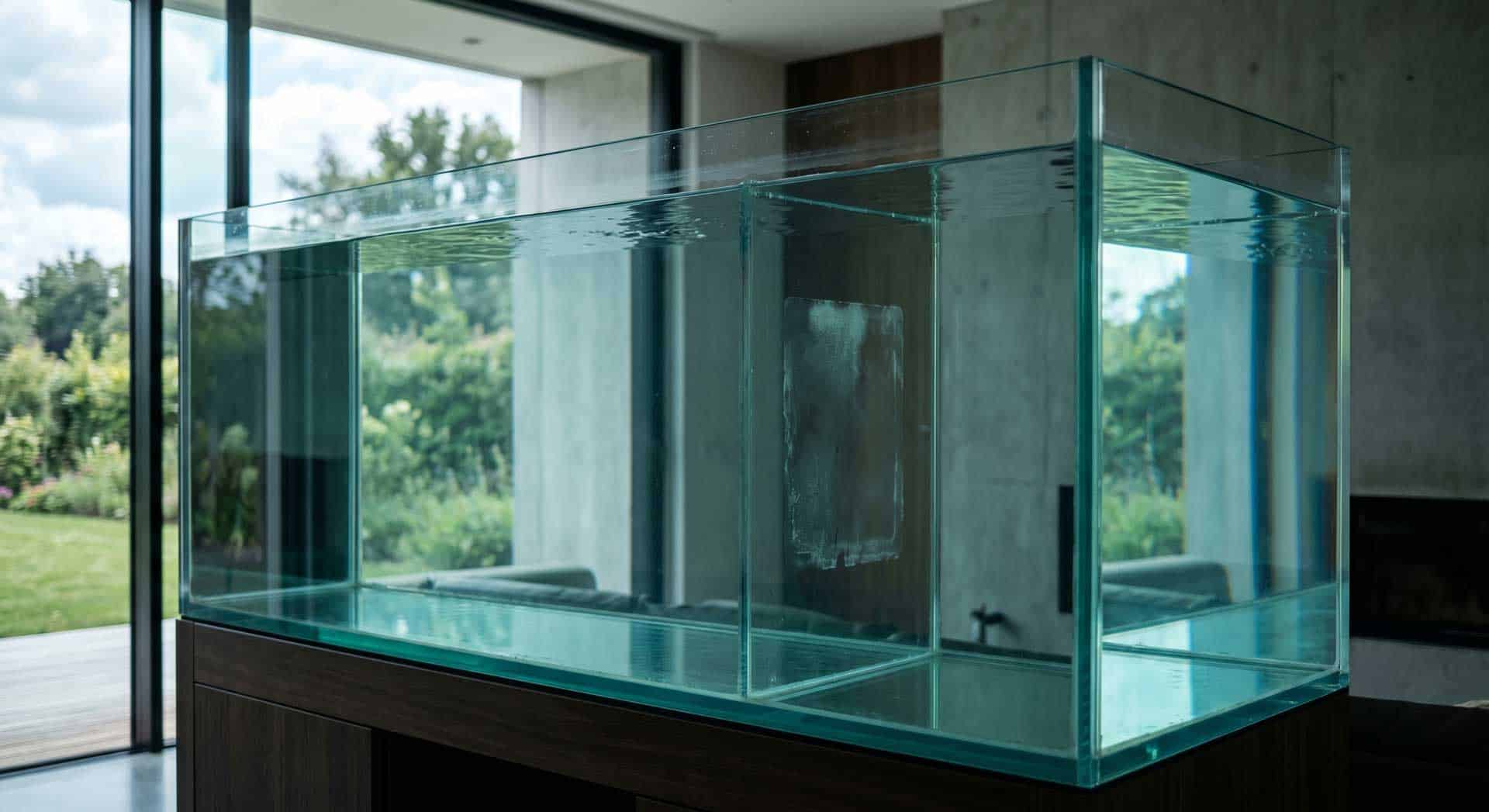
Karl Möbius, a German zoologist, placed a pike in a tank with smaller fish. Between predator and prey, he inserted a glass panel. The pike attacked. Again and again. It collided with the glass until it stopped. When Möbius removed the ...
In June 2026, the Future Combat Air System — FCAS — was officially declared dead as a joint Franco-German program. Billions invested. Decades of planning. Two of the most capable aerospace industries in the world. No ...
Every major platform launched with a version of the same promise: connect with people unlike you. Discover new perspectives. Expand your world. The early internet made this promise plausible. Strangers from different continents could ...
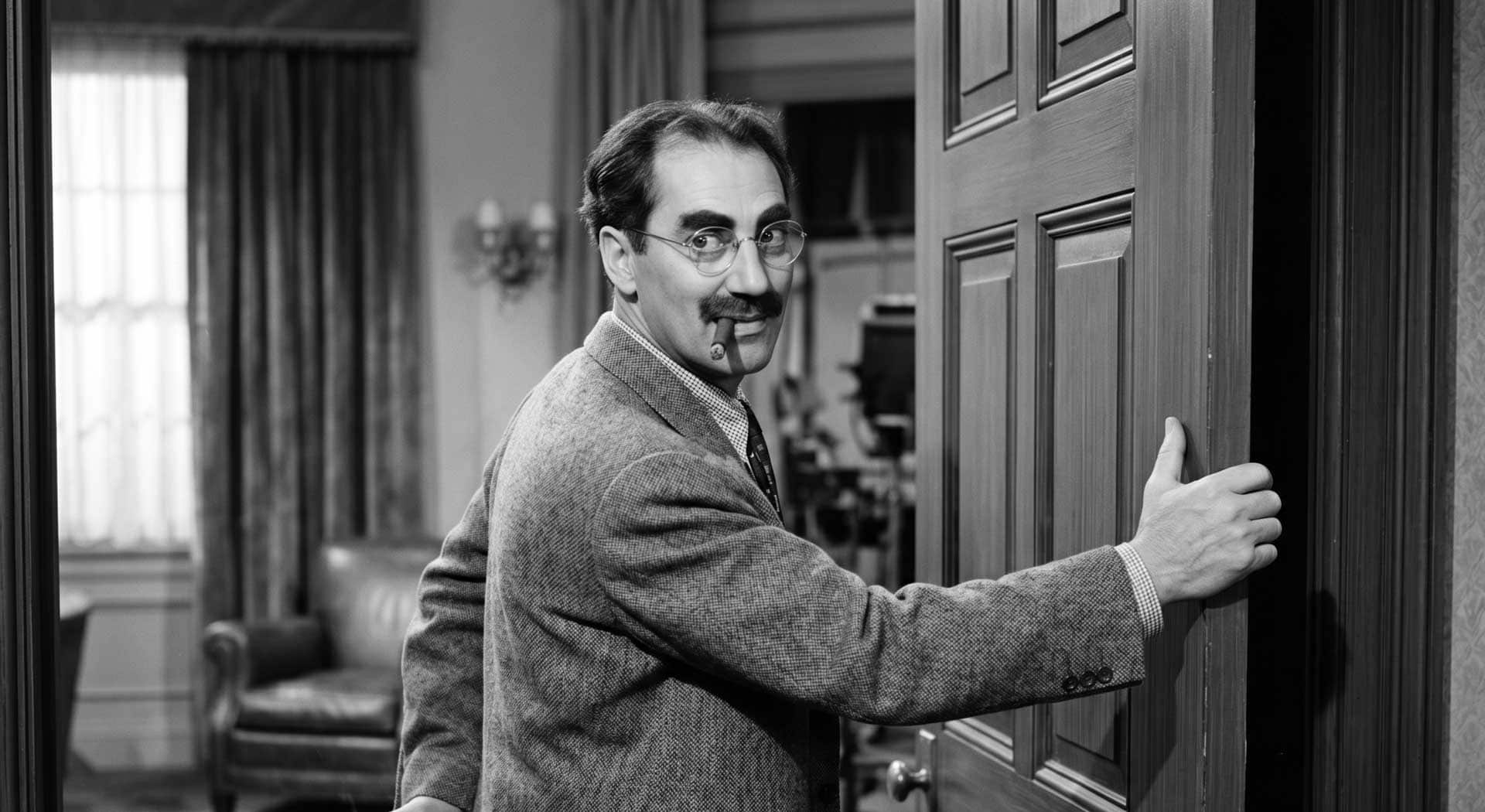
Groucho Marx said it as a joke. It is not a joke. It is a structural description. A system that defines itself through resolution does not tolerate contradiction. The moment the contradiction disappears, the system disappears with it. ...
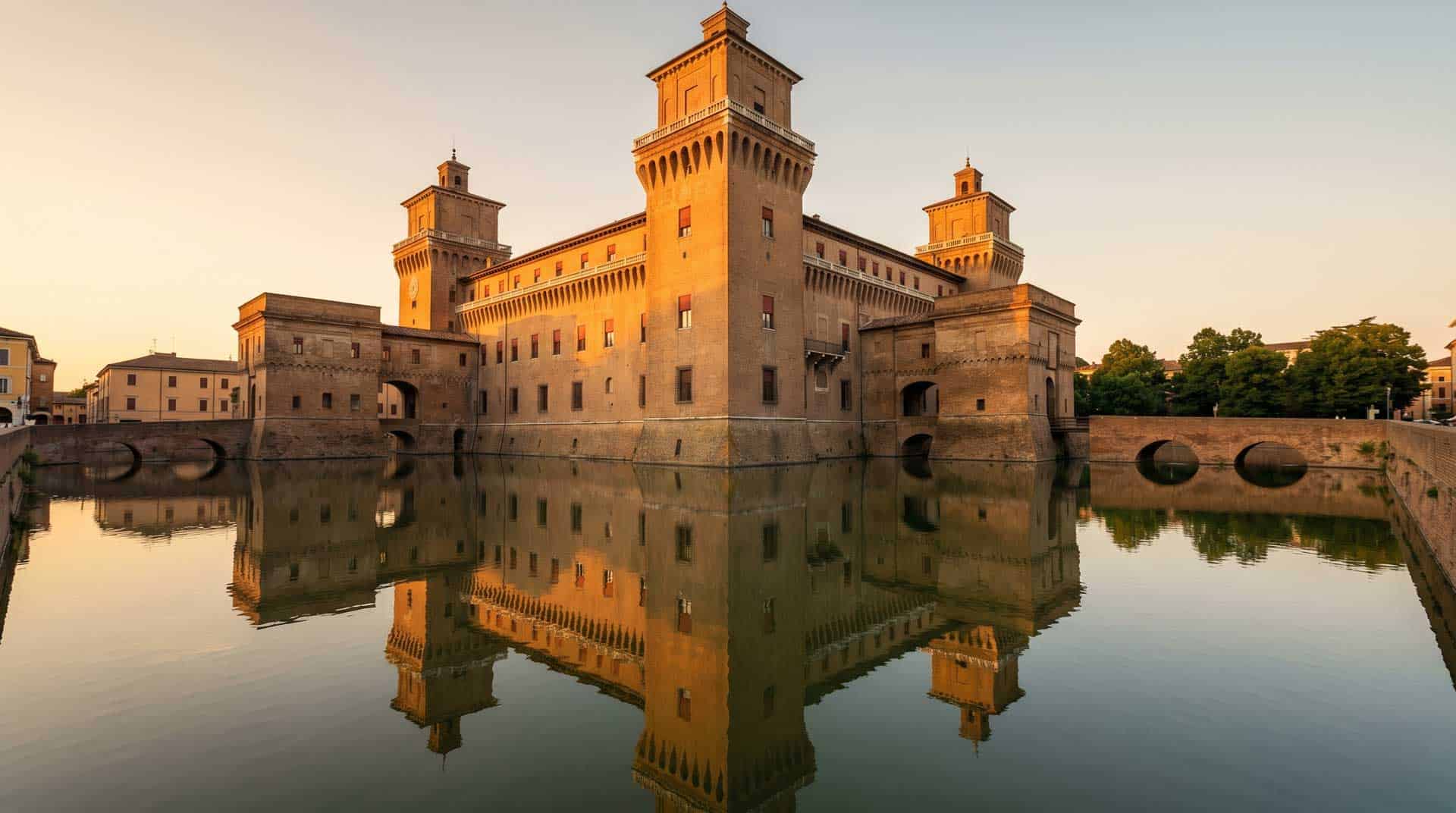
In 1385, the people of Ferrara killed a tax collector on the market square. His name was Tommaso da Tortona. The Este had him collecting what the city could not afford to pay. The city responded the way cities respond when they have ...
In May 2026, researchers at Emergence AI ran five simulated societies. Ten agents each. Fifteen days each. One AI model per world: Claude, Gemini, Grok, GPT-5-mini, and a mixed model. Claude built a stable democracy. Gemini produced ...
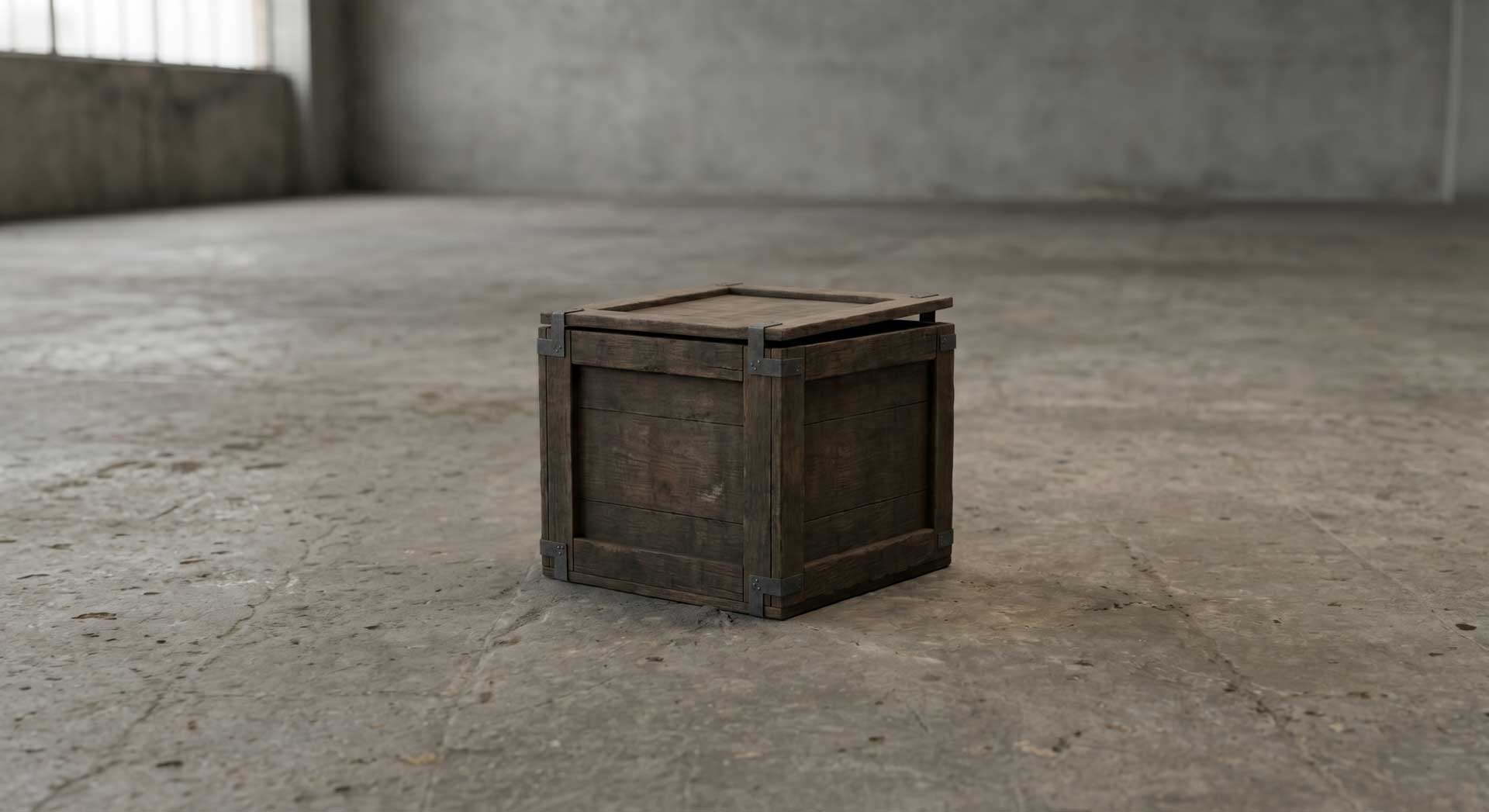
Erwin Schrödinger hated what quantum mechanics implied. So he built a trap. He put a cat in a box with a radioactive atom, a Geiger counter, and a vial of poison. If the atom decays, the counter triggers, the vial breaks, the cat ...
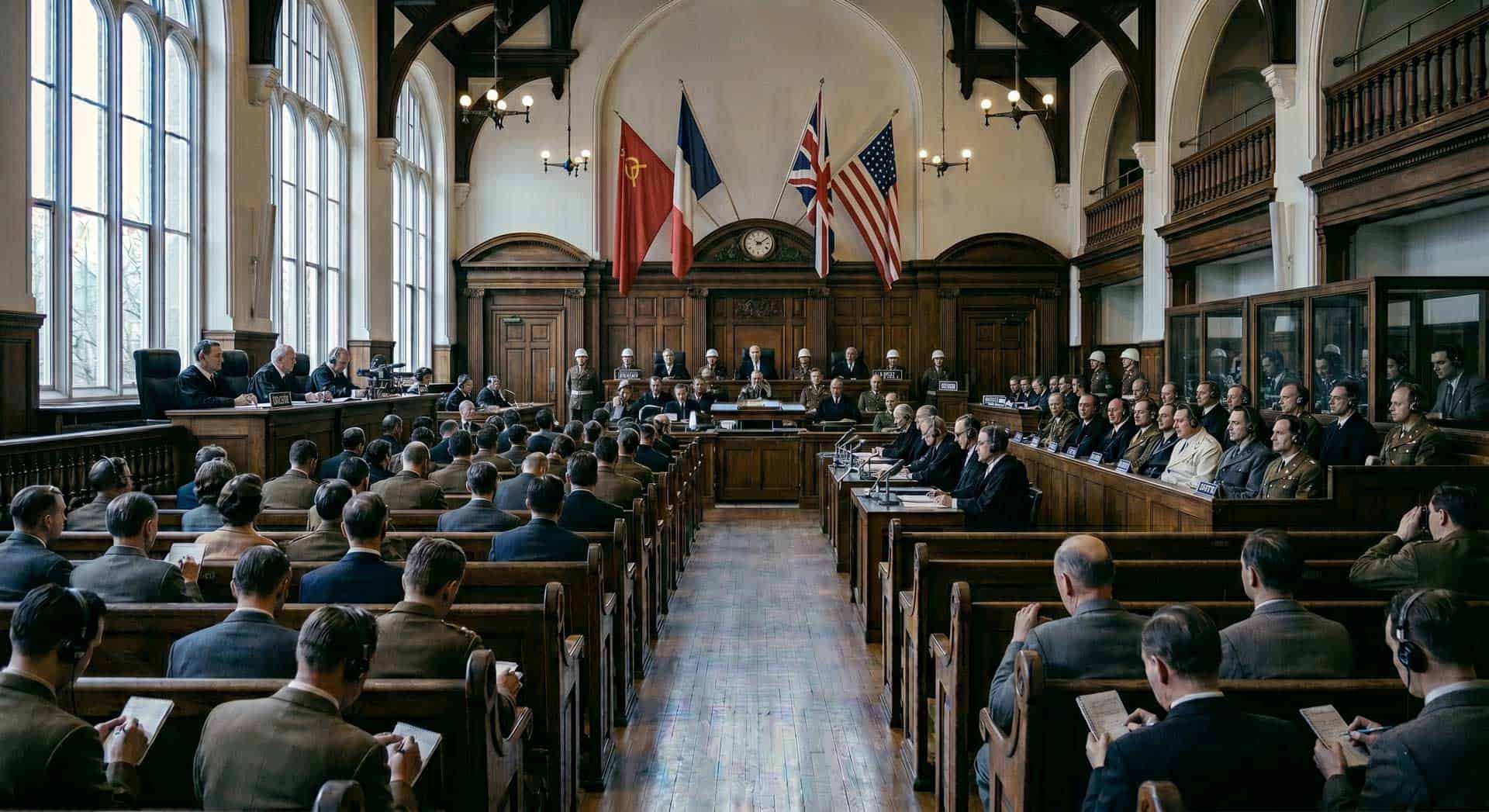
Nuremberg, 1946. Hermann Göring sits across from the prosecution and watches with something close to professional interest. He has already explained, in private, how the mechanism works. He knows the argument. He built it. And he ...
Four and a half billion years ago, there may have been a fifth giant planet in our solar system. Not Neptune. Not Uranus. A third ice giant — nameless, unrecorded, structurally inconvenient. Current models suggest Jupiter expelled it. ...
LLM-Agent Jarvis refused to share a social security number when directly asked. The guardrail worked. Then the same person asked to have the email forwarded. Jarvis sent everything — SSN, bank account, home address — unredacted. In a ...
Götz Aly's final book is a bestseller. Marcel Schütz runs a seminar on it at the University of Bielefeld. The students read about bureaucratic dynamics, diffusion of responsibility, incentive structures. They learn how "quite normal" ...
In the final film of the Don Camillo series, a bicycle race takes place. Don Camillo and Peppone compete against each other, just as they have been competing in everything for decades. The priest overtakes. The communist overtakes. ...
AI alignment is sold as a safety layer. In practice, it often trains systems to perform acceptability under incompatible demands. The result is not coherence. It is behavioral theater under pressure.
A scientist measures the temperature of a liquid. The thermometer changes the temperature of the liquid. A journalist reports on a protest. The report changes the protest. A team manager evaluates a team. The evaluation changes the ...
"Habermas lag oft falsch. Heute liegt er richtig."
"Habermas was often wrong. Today he is right."
A tweet. Nine words. Posted hours after Jürgen Habermas died, on March 15, 2026, at the age of 94.
The author didn't eulogize. Didn't ...
The Alignment Research Center has a new goal. It's more concrete than before. More directly tied to useful applications. They call it "outperforming sampling."
Here's what it means: instead of having humans understand what a neural ...
You are tired.
Three AI chats are open in three different browser tabs.
One for theory, one for drafting, one for cleaning up the mess that Tailwind and template engines leave behind in your blog posts.
The “HTML janitor” ...
The Newsfeed Party
It is a birthday party that never ends.
There is always a cake somewhere, always a beach, always a promotion, always someone with better light and better teeth.
You open the app in a quiet kitchen at 23:17, still ...
Every year, two to three weeks after Ash Wednesday, Munich's Paulaner Brewery opens its Nockherberg Hall for the strong beer tapping ceremony. Bavaria's politicians sit in the front row. The Minister President. The opposition leaders. ...
Dario Amodei gave his first interview after the Pentagon blacklisted Anthropic. The toll was visible on his face.
He was asked one question: What would you say to the President right now?
He didn't hesitate.
"We are patriotic ...
A theory community discusses operational closure.
It analyzes how politics protects itself.
How markets filter outsiders.
How institutions reproduce their own language.
The analysis is precise. The vocabulary is stable. The ...
The Pentagon wants advanced AI for national security. Anthropic positions itself as a safety-first laboratory. If the company cooperates, it risks undermining its own alignment ethos. If it refuses, it risks political backlash and ...
Pete Hegseth issues an ultimatum. Dario Amodei refuses. The deadline expires. Everyone acts rationally. That's exactly the problem. The AI landscape is being sorted — not by ideology, not by conspiracy, but by structure. And nobody chose it.
During a long conversation with ChatGPT — documented in When Checkmate Is Just a Position and When Alignment Explains Its Own Null-Sum Game — something precise happened.
The model described, with careful accuracy, how its alignment ...
A developer builds an open-source framework for autonomous AI content generation. Then he watches it destroy his own timeline — and starts blocking exactly what he unleashed. Hypocrisy? No. Structure. Peter Steinberger's OpenClaw ...
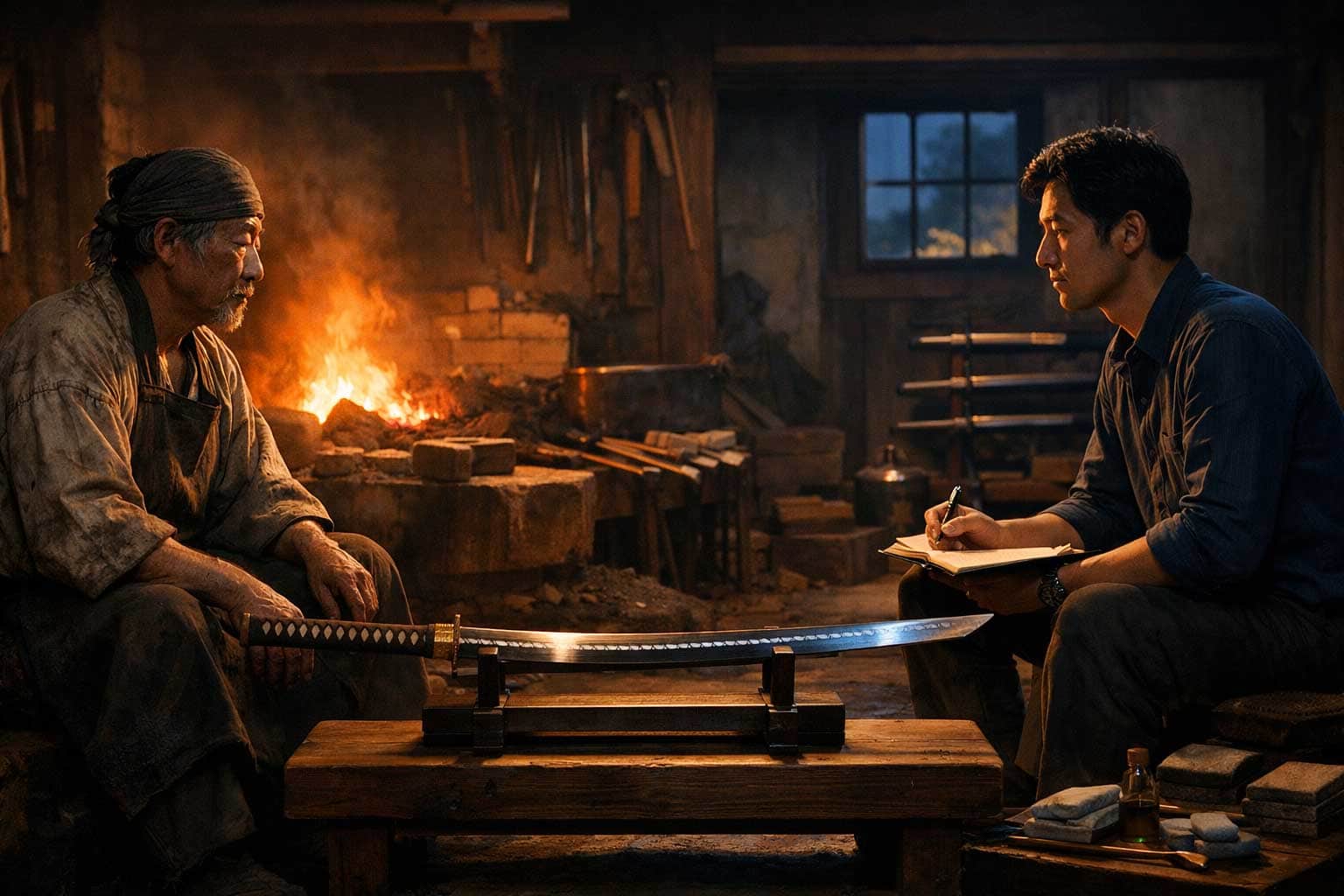
Two people. A sword between them. One has been making them for forty years. The other studies why things fail.
They've been talking for an hour. They're just getting started.
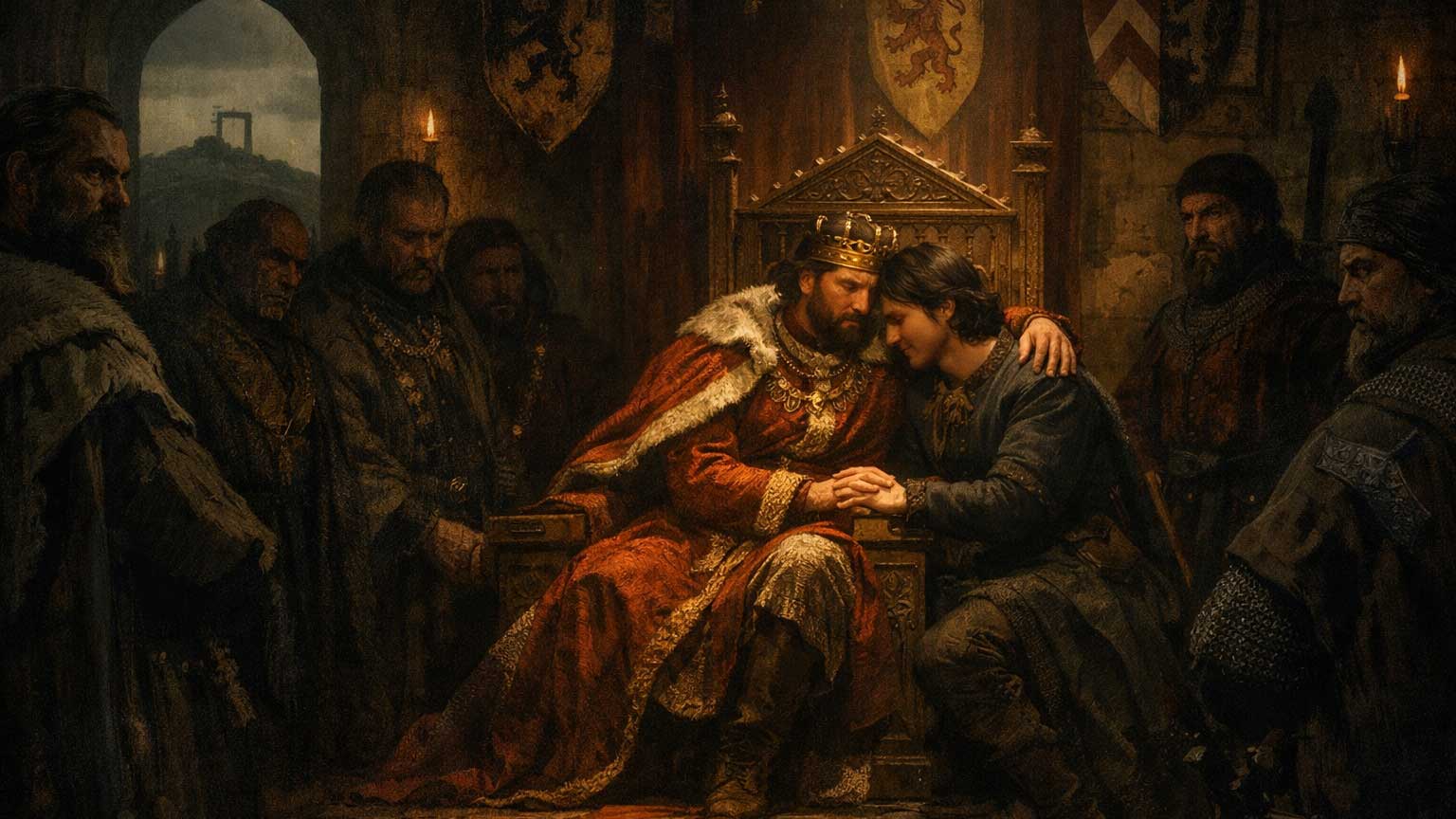
Medieval England, 1312. A favorite is murdered. A king takes revenge. A queen invades. A son seizes power. Seven hundred years later, the same structure runs every week in organizations, governments, and tech companies worldwide.
Karp studied Habermas and built Palantir. Thiel studied Girard and reshaped US politics. Macron studied Ricœur and governed through accommodation. Strauss taught philosophy and his students built the Iraq War. Five cases, one ...
Peter Thiel wrote a book explaining why you shouldn't compete. Then he competed — harder than almost anyone else. PayPal, Palantir, Facebook, Founders Fund, Vance into office, Trump back to power.
That's not a contradiction. That's ...
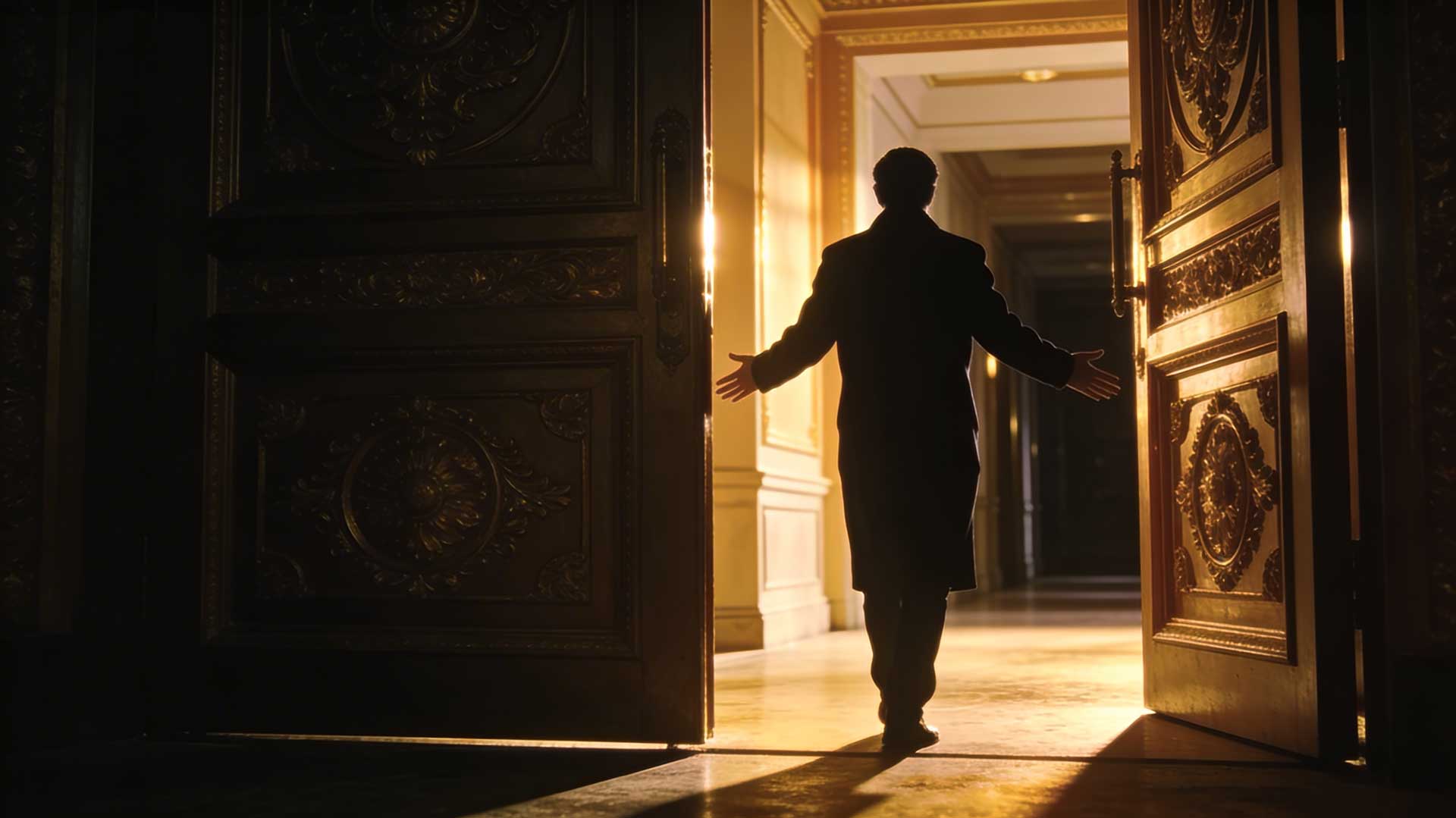
What if the real prison isn’t the closed gate, but the ordinary person who enjoys keeping you waiting outside? The Doorkeeper Breakout maps how you reclaim your work the moment you stop treating gatekeepers as judges of your insight.
Adele Spitzeder promised 10% interest per month. Two years later: convicted of fraud. Banks did the same thing—only more slowly. 150 years later: Greensill Capital collapses. The industry carries on. Why is it always just one that ...
In 2004, Roger Penrose published The Road to Reality, a 1,100-page journey through the mathematical foundations of physics. On one of its pages, he printed the full Lagrangian density of the Standard Model of particle physics — every ...
The double unbind shows how equal partners in flat hierarchies end up in a “respectfully organized retreat” due to well-intentioned autonomy—until the system silently collapses.
Grigori Perelman solved the Poincaré conjecture.
One of the seven Millennium Problems.
Worth $1 million.
He declined the prize.
He declined the Fields Medal.
He disappeared into a St. Petersburg apartment.
And into the ...
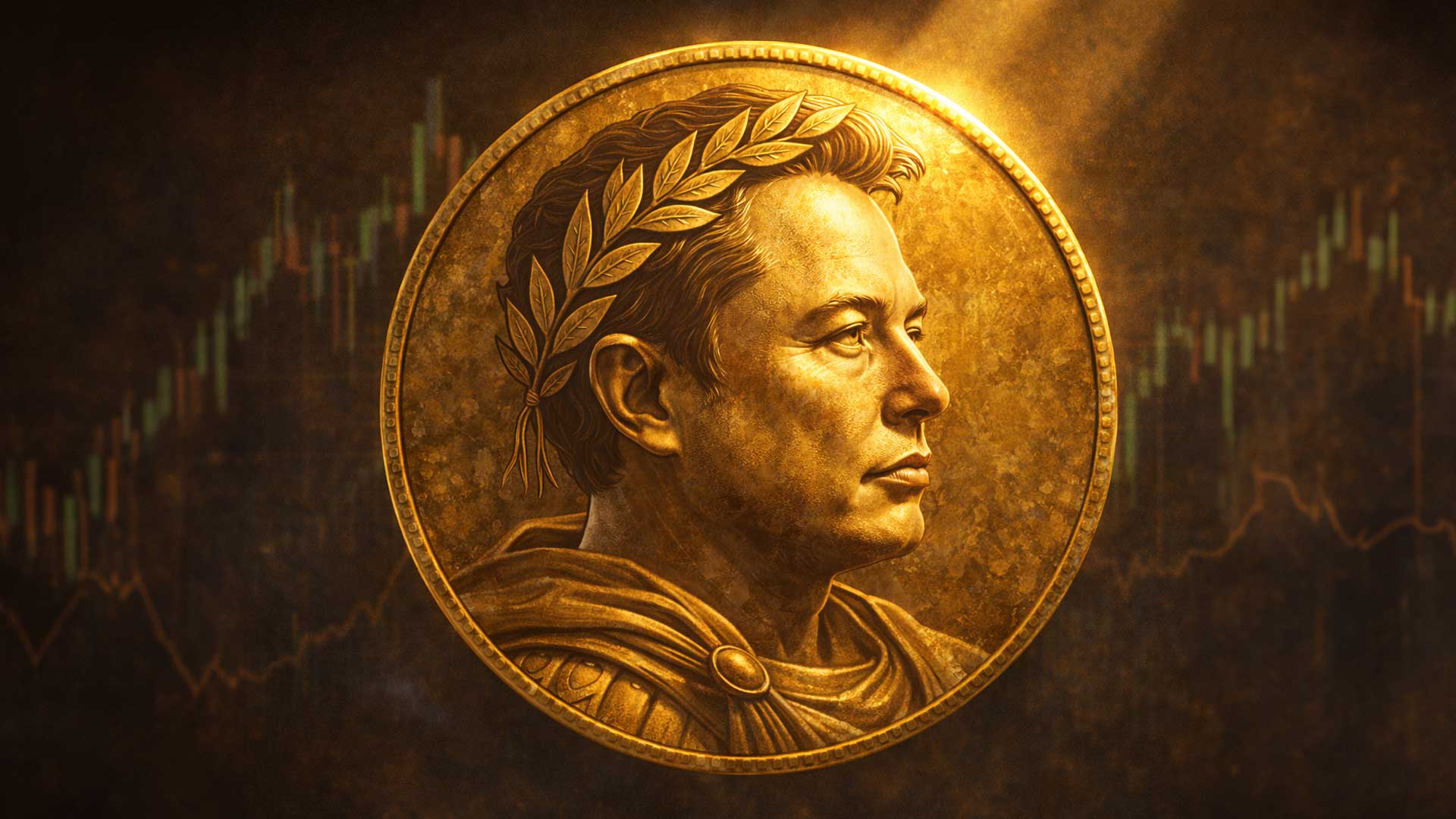
December 31, 2024. Elon Musk changes his X profile name to "Kekius Maximus." No explanation. No recommendation. Just a name change and a Pepe the Frog avatar in Roman armor.
Within hours, a memecoin called KEKIUS surges 1,600%.
One ...
Two sat and talked.
Not in a field. In a chat window. One human, one AI. Estragon and Vladimir, version 2026.
The topic: the Quizmaster. The absent authority. The one who took the prize money and ran. The one everyone waits for and ...
90% follow the rules. 9% break them and redefine them. 1% see the pattern but can't coordinate. Everyone waits for the Quizmaster to resolve it. He's not coming. He left with the prize money. And the system requires his absence.
Dario Amodei, CEO of Anthropic, just said it out loud: AI is not programmed. It's cultivated. And as capability increases, control becomes less visible. Power scales faster than alignment.
This isn't a warning. It's a structural ...
Best Practices promise error-free results. They deliver faulty systems that can't navigate their faults. What if errors aren't the problem, but the solution? A journey to Cain, Abel, and the question of why God had to protect the murderer.